

Arthritis & Acupuncture
Supporting you with arthritis, pain and movement
Arthritis can affect much more than your joints.
Pain, stiffness and reduced mobility can interfere with exercise, sleep, work and the everyday activities you enjoy.
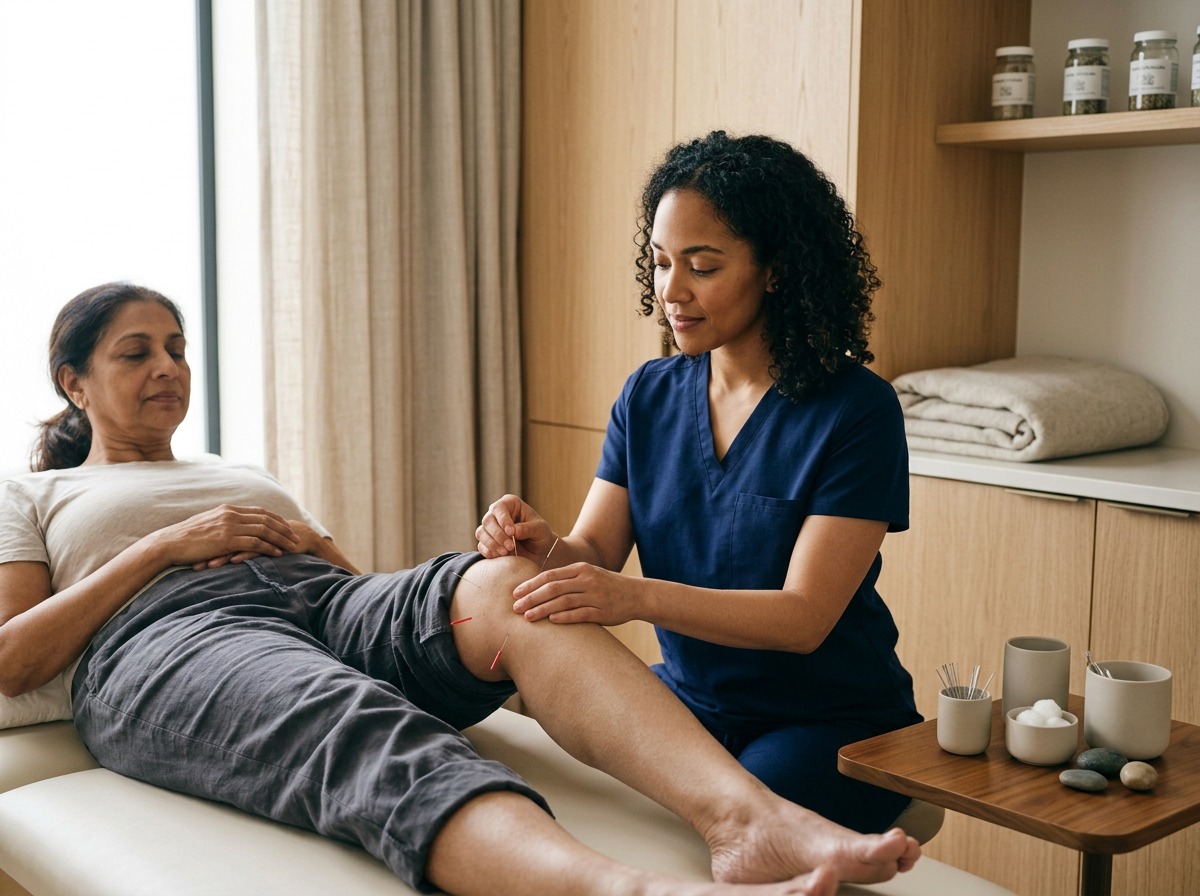
Acupuncture may be used as part of a wider approach to manage symptoms such as pain and stiffness. I work alongside conventional healthcare, and encourage patients to continue with appropriate medical treatment, exercise and physiotherapy where recommended.
How Acupuncture can help

Research suggests that acupuncture may influence the way the nervous system processes pain and may have effects on a number of physiological processes involved in pain and inflammation.
However, the evidence varies depending on the type of arthritis, and research quality is mixed. I believe it is important that patients have a realistic understanding of what acupuncture can and cannot do.
Acupuncture may help with:
Pain
Joint stiffness
Muscle tension around painful joints
Movement and physical function
Quality of life
Managing pain that is making exercise or everyday activity difficult
For inflammatory conditions such as rheumatoid arthritis, some research has found changes in inflammatory markers following acupuncture treatment, but the evidence is not yet strong enough to say that acupuncture reduces the underlying autoimmune disease or replaces medical treatment.
Acupuncture offers a potential symptom-management option, rather than a treatment that reverses osteoarthritis or repairs damaged cartilage.
Building stronger knees
Exercise is an important part of managing osteoarthritis
Strengthening the muscles around your knee and hip can help improve strength, confidence and physical function.
You don't have to do this alone.
I can recommend local professionals who can help you develop an appropriate strengthening programme, particularly if you are unsure where to start or are nervous about exercising with knee pain
Strength & conditioning
Hamilton's Honour – Oadby
Website • 0116 296 7751
Hamilton's Honour offers personal training and strength and conditioning support in Oadby.
This may be useful if you would like support gradually building strength and confidence around your knee.
Physiotherapy
Aspire Physio
A physiotherapist can assess your knee, movement and strength and develop an exercise programme appropriate for your individual circumstances
Find out more about Aspire Physio →
Knee exercises you can do at home
If you’re not a gym type or don’t have time to visit a gym to start strengthening your knees, the NHS provides guidance on exercises that can help people with knee osteoarthritis, including exercises to improve movement and strengthen the muscles supporting the knee.
NHS knee osteoarthritis exercises – DynamicHealth→
The Royal Orthopaedic Hospital also provides a useful collection of exercises that can be performed at home.
Royal Orthopaedic Hospital: Exercises for osteoarthritis of the knee →
If an exercise causes significant or worsening pain, stop and seek appropriate professional advice.
Client reviews

“I came for acupuncture to help with grade 3 osteoarthritis in my knee. The pain was keeping me awake at night. After 4 sessions I was sleeping well and the pain had massively reduced. I now go periodically for maintenance sessions ”
— David, 62, Leicester.
Arthritis describes a number of different conditions. Two of the most common are osteoarthritis (OA) and rheumatoid arthritis (RA). Although both can cause joint pain and stiffness, they are very different conditions and require different approaches.
Understanding Arthritis
Osteoarthritis
Osteoarthritis is a common long-term condition affecting the joints. It can cause pain, stiffness, swelling and difficulty moving, most commonly affecting the knees, hips and hands.
The NHS recommends staying active and undertaking appropriate strengthening and exercise as an important part of managing osteoarthritis. Maintaining a healthy weight where appropriate and using pain-relieving treatments when necessary can also help manage symptoms.
Rheumatoid arthritis
Rheumatoid arthritis is an autoimmune condition in which the immune system attacks the lining of the joints. It can cause pain, swelling and prolonged stiffness and, without appropriate treatment, can lead to joint damage.
Early diagnosis and appropriate medical treatment are important. Treatment may include disease-modifying medication, alongside physiotherapy and other supportive care.
If you have rheumatoid arthritis, acupuncture should be considered complementary care and should not replace prescribed medication or rheumatology treatment.